On Training Methods
When people ask what my training methods are, I often struggle to answer this question.
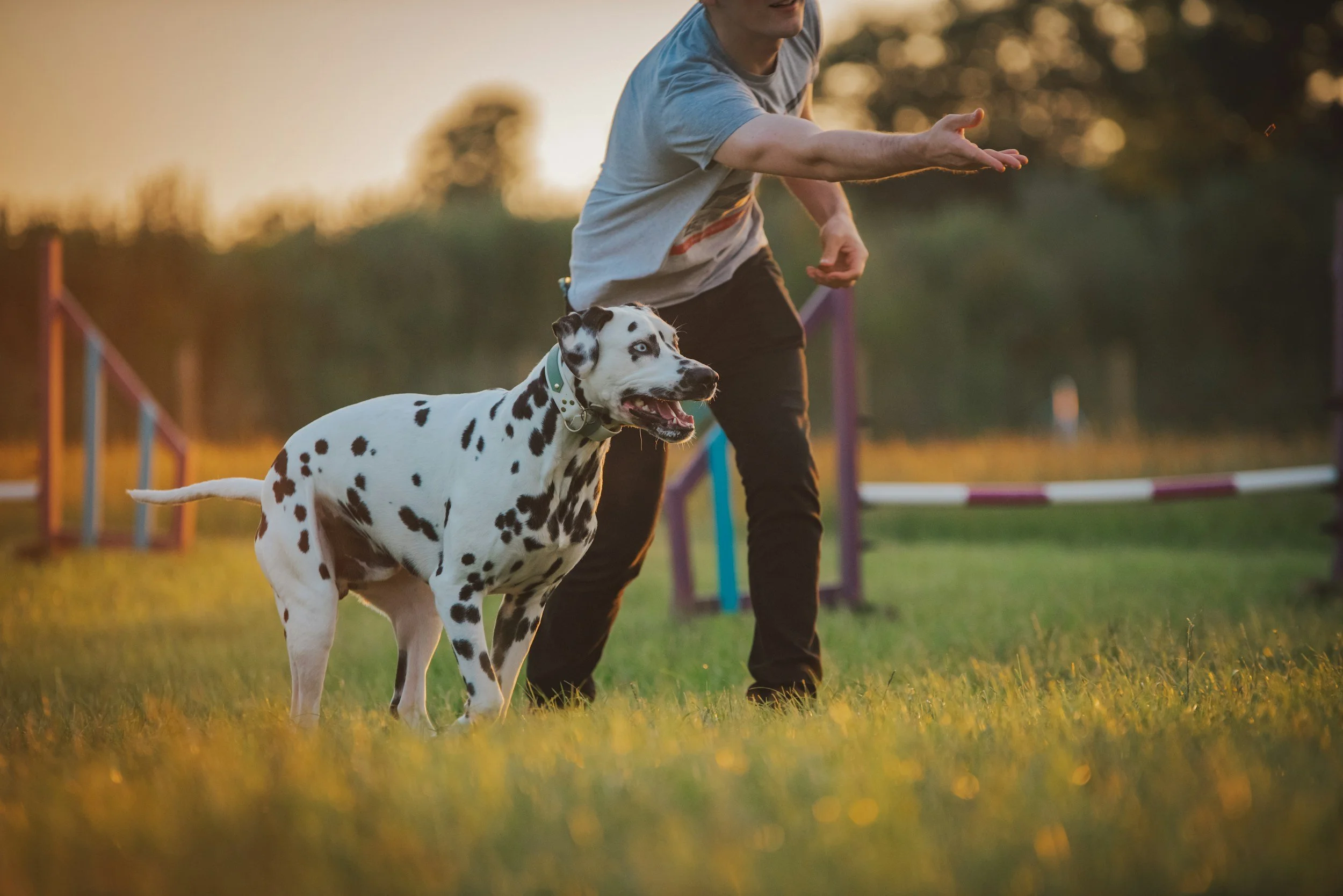
“Positive Reinforcement” seems to focus on purely operant training over other important parts of the picture, like health status or living conditions.
“Force Free” causes confusion about forces our dogs must be subjected to on a daily basis, like leashes and walls.
“Science-based” doesn’t speak to the many emotions a dog owner may be experiencing, and can turn away someone looking for an approach more “relationship-based” - a term used frequently by trainers who dismiss scientific research, so of course I have trouble with this term as well.
Whatever label I try to use, there will always be an issue.
Whether it’s semantics or understanding of modern training that is the issue, the elevator pitch just doesn’t seem to cut it.
Working with dogs is just too complicated to be tied up with a neat little bow.
When I think of my training methodology, I always think about a giant heap of stinking refuse.
Yes, a big old pile.
One pile in particular.
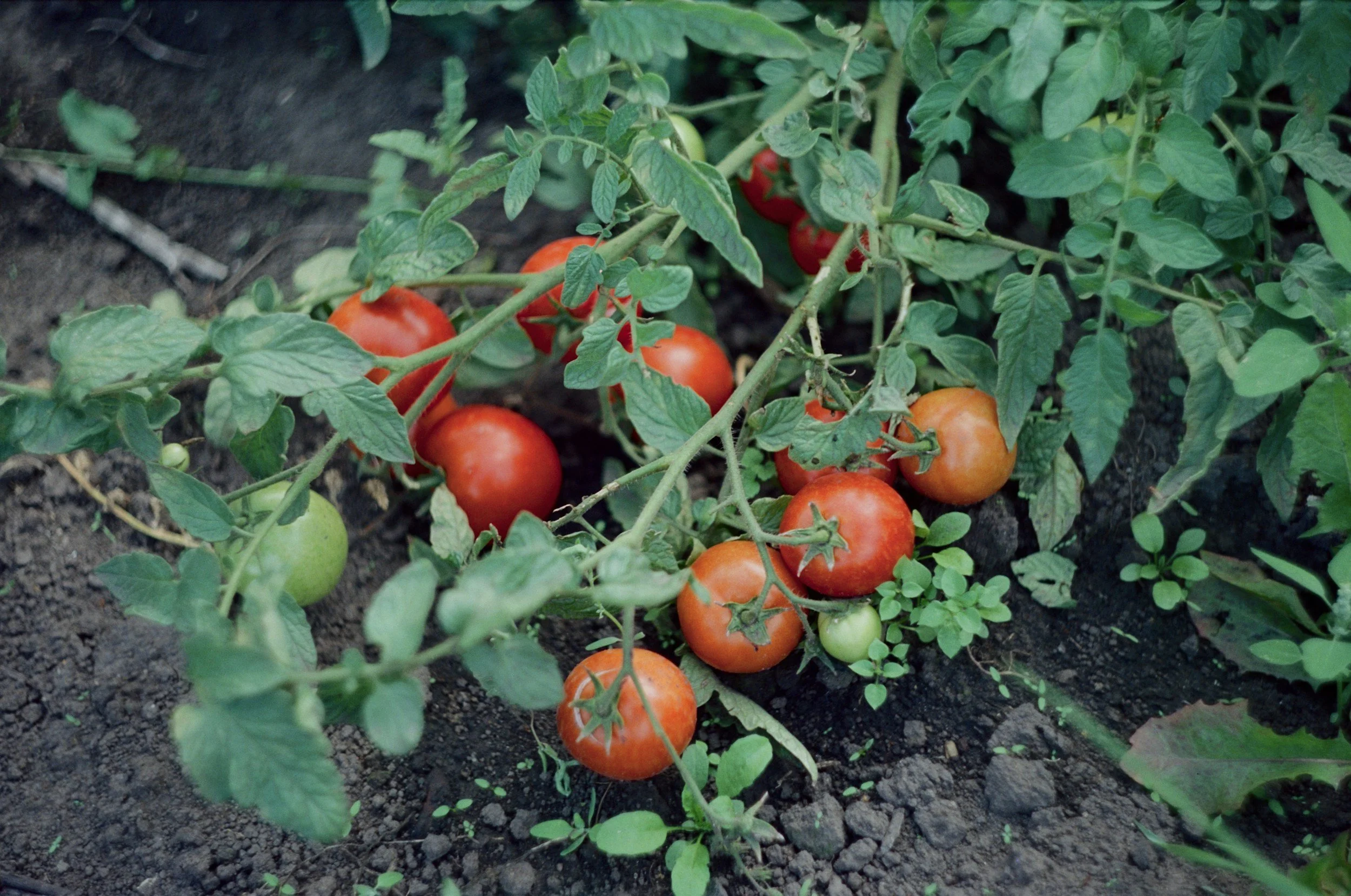
As a child in Iowa, I used to watch in horror as my father tended to a giant pile of compost in his backyard. To the top of this pile he threw his spoiling leftovers: coffee grounds, egg shells, and scraps of vegetables that had been grown in his own garden. He would stick his pitchfork into the middle of this pile to reveal what was underneath - something entirely different - something dark, heavy, and steaming. The pile seemed to be alive, eating our waste and expelling warm breath into the morning air. Much of this pile certainly was alive, teeming with bacteria and other creepy crawlies. Over and over he mixed refuse mixed with old, coaxing the rotten beast to digest its latest meal.
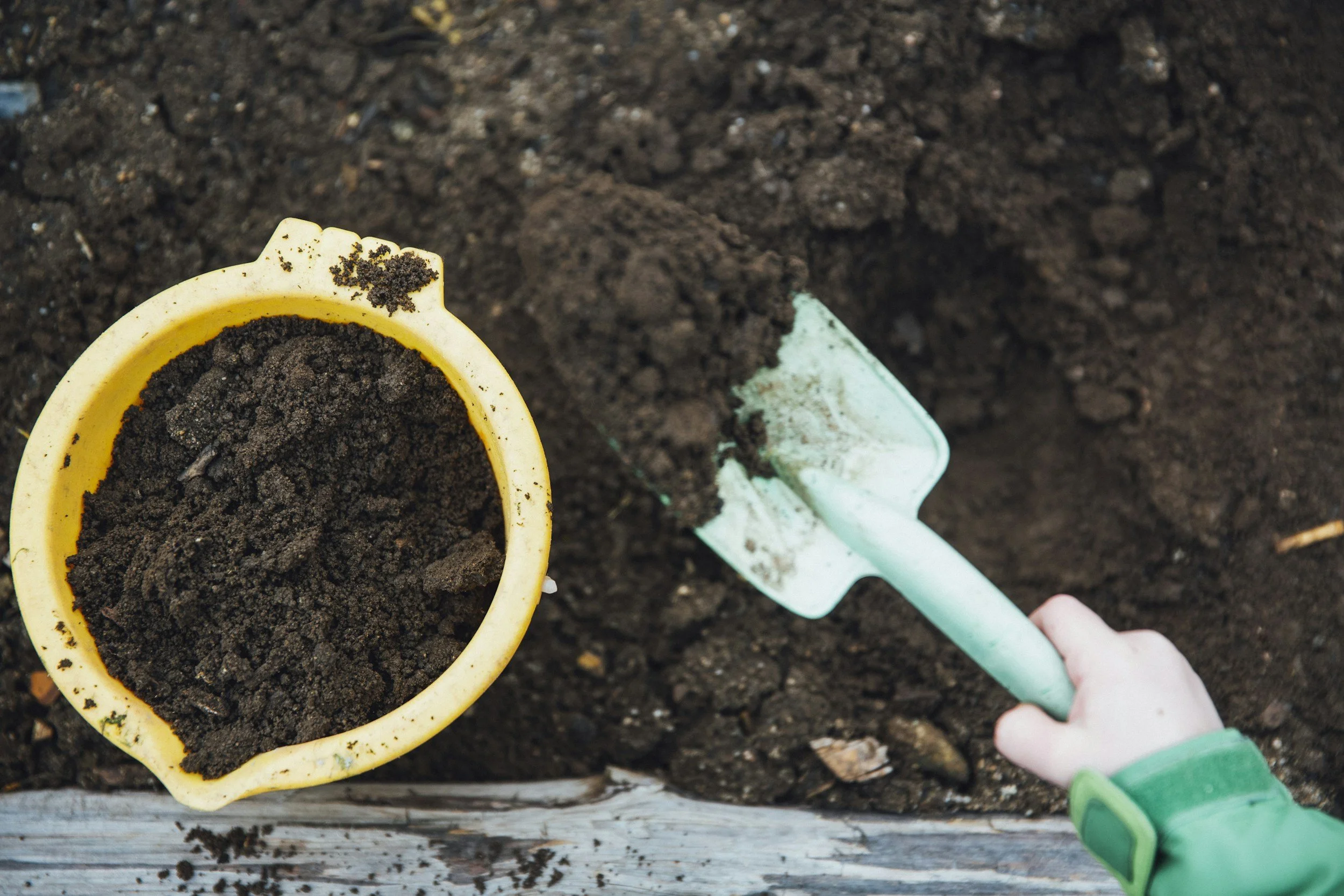
When the peaty substance was ready to use, it resembled soil. He tilled it in with regular dirt and called it “black gold” - a material rich in nutrients which we would use to grow the tallest, brightest, most flavorful produce possible.
The scraps themselves were not what kept us fed, but rather what they became through a process of breaking down and condensing. Only by feeding this pile, giving it time, turning it over, and combining it with other elements were we able to use its contents.
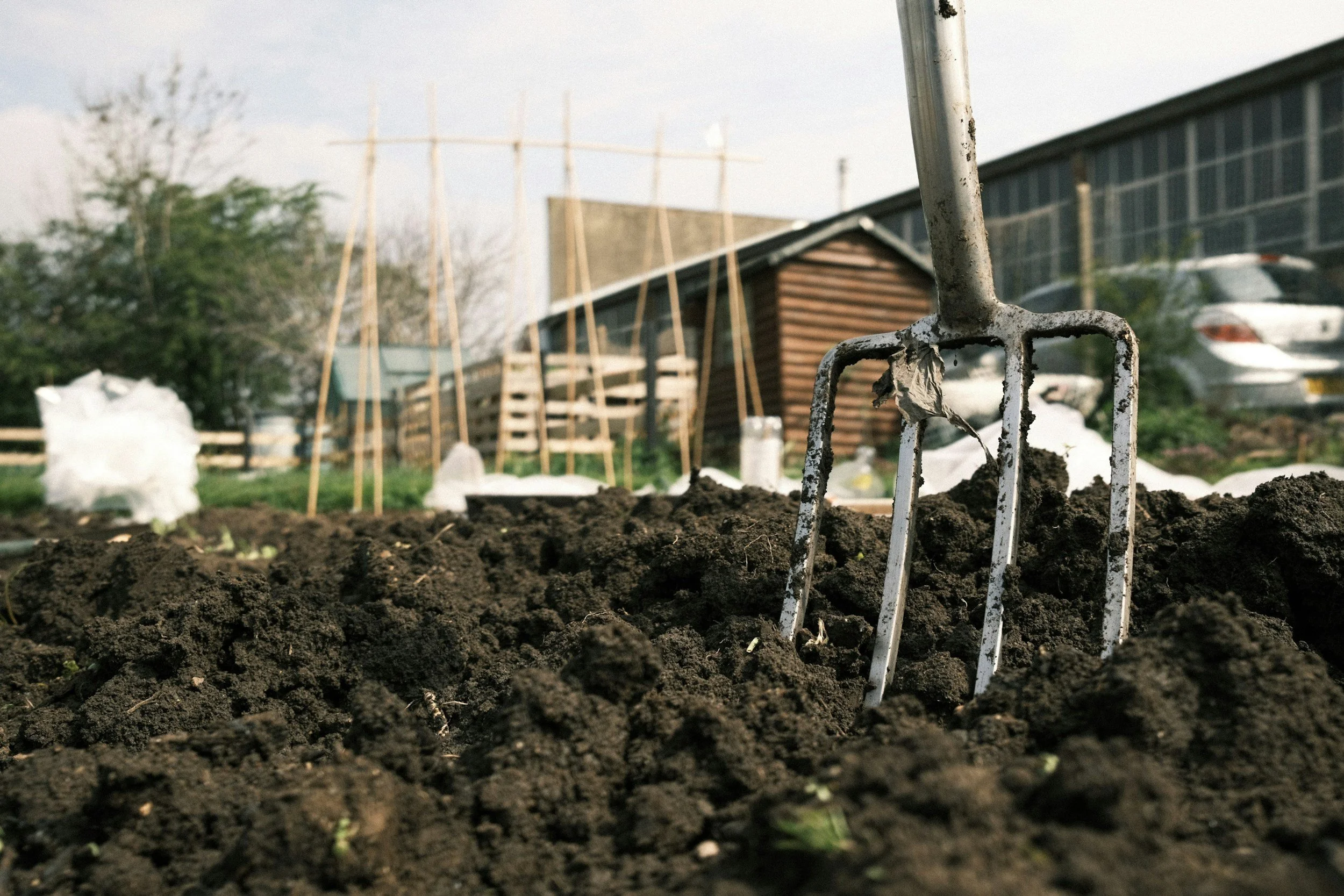
This compost is how I think of my training methods. The nutrient-rich information I pile in from books or lectures or real-world experiences, it develops into something new by turning it over with old ideas. The process takes time, rest. How I describe my training methods is always changing because my mind is always changing, topping off with new thoughts and processing. These ideas and opinions, however exciting they may feel, really mean nothing without their real-world application, the mixing of this pile of knowledge with the unfortified soil. A seed, the dog in front of me, is always the most visible result of these labors. Results of this process do not become apparent, though, on the day when the seed is planted. Conditions must be just right for that seed to become a seedling, then a plant with strong roots and delicious fruit.
If you want to know about someone’s training methods, look to the bounty of their efforts.
Let me tell you about the dogs who have grown here.